
MEDICAL INFORMATION FOR AMERICANS TRAVELING ABROAD
Before traveling internationally, American citizens should familiarize themselves with medical services provided in other countries.Generally speaking U.S. embassies and consulates have very limited capacity to assist in case of a medical emergency.
U.S. consular officers can basically assist in locating medical care, and notifying relatives in case of a health issue while traveling. However, U.S consular officers do not serve as lawyers or bankers, and travelers are responsible for their own hospital and other expenses.
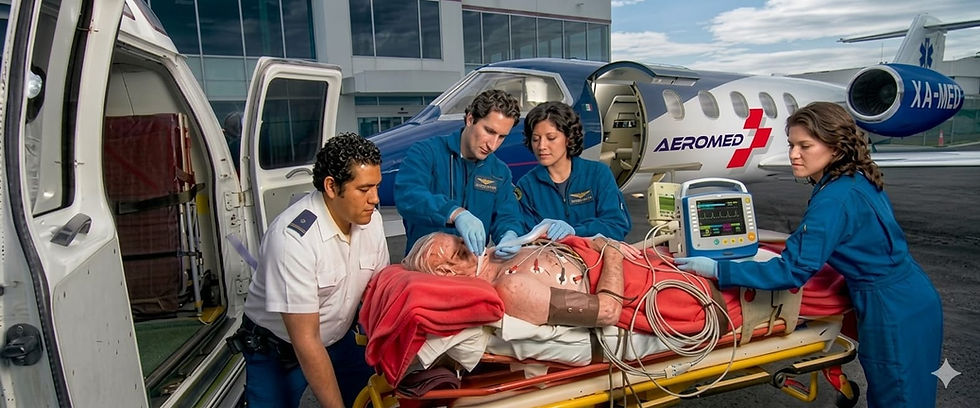
While many health insurance companies cover customary and reasonable hospital costs abroad, few will cover medical repatriation, which can exceed $100,000 depending on various factors.
In most instances local medical providers will require a large deposit and payment up-front. Carrying a high-limit emergency credit card is highly recommended.
Some private commercial health insurance or supplemental travel insurance plans offer coverage for overseas medical expenses as well as medical return.
US Medicare program does not cover medical costs outside the U.S. Older adults can learn more about foreign medical coverage through Medicare plans by contacting the American Association of Retired Persons AARP.
To prepare for your trip, the U.S. Department of State Bureau of Consular Affairs recommends the following for international travelers:
-
Understand what medical services your insurance covers overseas before departure.
-
Carry your insurance policy identity card a claim form proof of coverage.
-
If you have pre-existing health conditions, bring a from your healthcare provider detailing your condition and any prescription medications, including their generic names.
-
Keep medications in their original containers with clear labels.
-
Ensure that your prescribed are legal in your layover or destination countries, as certain categories such as narcotics and psychotropic medicines may be prohibited. Check with foreign embassies prior to traveling.
-
Fill out the information page inside your passport, including emergency contact details.
-
Compile a list of addresses and phone numbers for U.S. embassies and consulates in the countries you plan to visit, as they can provide information on local hospitals and healthcare.
-
If you have Medicare and admitted to a foreign hospital, you will be personally responsible of the bill as Medicare has extremely limited coverage outside the U.S.
-
Many travelers opt to purchase additional travel assistance for extra coverage; however, it's essential to read policies carefully, as travel insurance does not always include previous health conditions.
-
Some countries may require visitors to have vaccinations or medical tests before entry. Check the latest entry requirements at least 4 to 6 weeks before your trip through the CDC travelers' website, the embassy of your destination, or a travel clinic.
-
Always keep our emergency number handy, We recommend saving it non your phone contact directory +1 (646) 518-9092 Worldwide