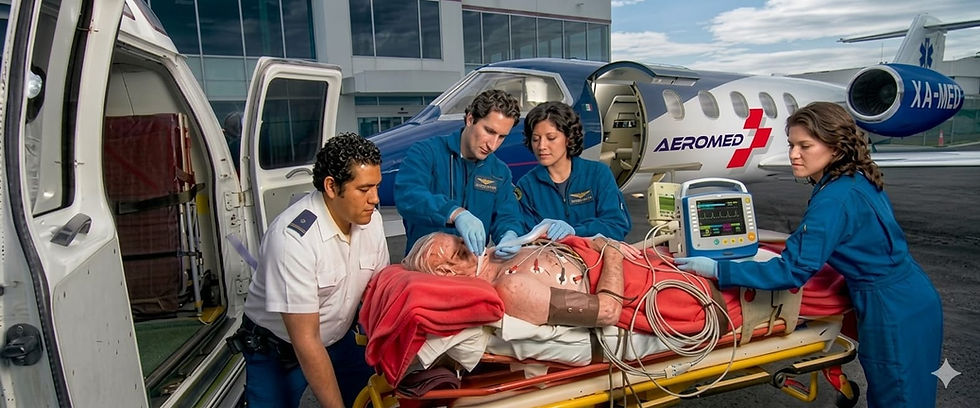

The Growing Importance of Air Ambulance Services Worldwide


Access to timely and advanced healthcare is more critical than ever. As international travel increases and medical needs become more complex, air ambulance services have emerged as a vital component of global healthcare systems. These services ensure that critically ill or injured patients can be transported quickly and safely to facilities capable of providing specialized care.
This article explores why air ambulance services are becoming increasingly important worldwide and how they support modern healthcare demands.
What Are Air Ambulance Services?
Air ambulance services involve the use of specially equipped aircraft to transport patients who require urgent or specialized medical attention. These aircraft function as flying intensive care units (ICUs), equipped with advanced life-support systems and staffed by trained medical professionals.
Services typically include:
Emergency medical evacuations
Inter-hospital transfers
International patient repatriation
Transport from remote or underserved regions
Organizations like Aeromed Air Rescue provide comprehensive global solutions, ensuring continuous care from departure to destination.
Why Air Ambulance Services Are Becoming Essential
1. Increase in Global Travel
With millions of people traveling internationally each year, the risk of medical emergencies abroad has risen significantly. Travelers may face:
Accidents or injuries
Sudden illnesses
Lack of access to quality healthcare
Air ambulance services ensure that patients can be transported to appropriate facilities quickly, regardless of location.
2. Demand for Specialized Medical Care
Not all hospitals are equipped to handle complex medical conditions. Patients often need to be transferred to specialized facilities for advanced treatments such as:
Cardiac surgery
Neurological care
Organ transplants
Air ambulances make these transfers possible, even across continents.
Global Growth of Air Ambulance Services
Region | Market Growth Rate (Estimated) |
North America | 8% annually |
Europe | 7% annually |
Asia-Pacific | 10% annually |
Latin America | 9% annually |
Middle East & Africa | 8% annually |
The increasing demand highlights the critical role air ambulance services play in modern healthcare.
3. Faster Emergency Response
Time is a crucial factor in medical emergencies. Air ambulances significantly reduce travel time compared to ground transport, especially in cases involving long distances or difficult terrain.
4. Access to Remote and Underserved Areas
In many parts of the world, healthcare infrastructure is limited. Air ambulance services provide a lifeline for patients in:
Rural or remote regions
Islands or mountainous areas
Disaster-affected zones
By bridging the gap between patients and hospitals, these services save lives.
Key Features of Modern Air Ambulance Services
Advanced Medical Equipment
Air ambulances are equipped with:
Ventilators and oxygen systems
Cardiac monitors
Infusion pumps
Emergency medications
This ensures patients receive ICU-level care during transport.
Highly Trained Medical Teams
Each mission is staffed by experienced professionals, including:
Flight physicians
Critical care nurses
Paramedics
These teams are trained to manage complex medical conditions in-flight.
Comprehensive Coordination
Providers like Aeromed Air Rescue handle all aspects of transport, including:
Medical clearances
Flight logistics
Ground ambulance arrangements
Communication with hospitals
Cost of Air Ambulance Services
Service Type | Estimated Cost (USD) |
Domestic Air Transport | $10,000 – $50,000 |
Regional International | $30,000 – $100,000 |
Long-Distance International | $100,000 – $500,000+ |
Helicopter Evacuation | $5,000 – $25,000 |
While costs can be high, many insurance plans now include medical evacuation coverage.
Technological Advancements Driving Growth
Advances in both aviation and medical technology have improved the efficiency and effectiveness of air ambulance services. Innovations include:
Telemedicine capabilities
Real-time patient monitoring
Improved aircraft range and speed
These developments allow medical teams to deliver better care during transport.
Key Challenges in Air Medical Transport
Despite their importance, air ambulance services face several challenges:
High operational costs
Complex international regulations
Weather-related disruptions
Limited awareness among travelers
Addressing these challenges is essential for continued growth and accessibility.
Who Benefits Most from Air Ambulance Services?
Air ambulance services are particularly beneficial for:
International travelers
Patients in remote areas
Critically ill individuals requiring specialized care
Elderly patients with complex medical conditions
These services ensure that patients receive timely and appropriate care, regardless of their location.
The Role of Air Ambulance Providers
Experienced providers like Aeromed Air Rescue play a crucial role in delivering reliable and efficient services. Their expertise includes:
Rapid response capabilities
Advanced medical equipment
Skilled medical teams
Global coordination networks
This combination ensures high-quality care and improved patient outcomes.
Future of Air Ambulance Services
The demand for air ambulance services is expected to grow as:
Global travel continues to increase
Healthcare systems become more specialized
Awareness of medical evacuation services rises
Future developments may include more advanced aircraft, improved affordability, and expanded global networks.
The Future of Global Medical Transport
The rising demand for air ambulance services around the world highlights how modern healthcare is evolving to meet urgent patient needs. In critical situations—where time is limited and access to care is challenging—these services act as a vital bridge, connecting patients to life-saving treatment quickly and efficiently.
By integrating advanced medical technology, experienced healthcare professionals, and seamless logistics, air ambulance providers deliver high-quality care wherever it’s needed, regardless of location.
With trusted providers like Aeromed Air Rescue at the forefront, global medical transport is becoming more dependable, accessible, and indispensable than ever before.
FAQs
1. Why are air ambulance services important worldwide?
Air ambulance services are important because they provide rapid transport for critically ill or injured patients, ensuring access to advanced medical care when local facilities are insufficient.
2. What services do air ambulances provide?
Air ambulances offer emergency medical evacuation, inter-hospital transfers, international patient repatriation, and transport from remote or underserved areas.
3. Who needs air ambulance services the most?
These services are essential for critically ill patients, international travelers, individuals in remote locations, and those requiring specialized medical treatment.
4. Are air ambulance services covered by insurance?
Some travel and health insurance policies include medical evacuation coverage, but it is important to review the policy details before traveling.
5. What challenges do air ambulance services face?
Challenges include high operational costs, complex international regulations, weather conditions, and logistical coordination across countries.